

Brickox

Heavy Steel Fabrication

We established a dedicated steel fabrication unit to deliver customized engineering solutions for large-scale industrial and infrastructure developments, including structural components for steel bridge girders supporting major infrastructure projects across the country.

  • icon Heavy Steel Fabrication
  • icon Structural Steel Bridge Girders
  • icon Crash Barriers
  • icon Solar Structures
Heavy Steel Fabrication

Our Fabrication Range

Composite Steel Plate Girders

Composite Steel Plate Girders

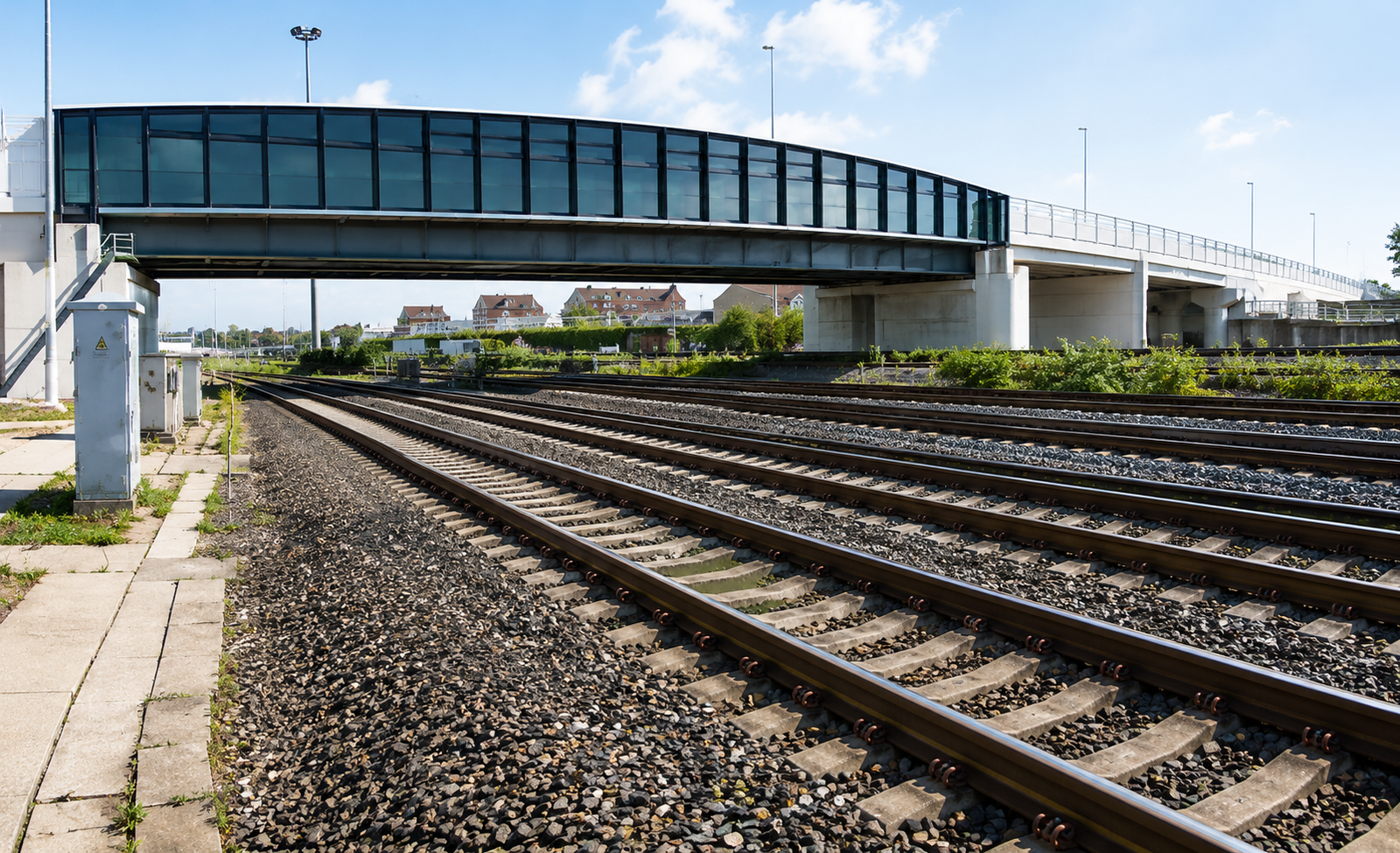
These girders are used in ROBs and railway bridges. After completion of the fabrication process, these girders are shot blasted, and shear connector studs are metalized / painted and efficiently welded on top of the flange.

Sizes

Flange 140mm to 1200mm, thickness 6mm to 80mm
Web 180mm to 3000mm, thickness 6mm to 60mm
Length 20 mtrs. (Customised sizes are also fabricated as per client specification.)

Features

  • icon Good capacity to carry load in shear, tension and compression
  • icon Members are visible and thinner, factory made, which helps predict the girder’s behaviour in a reasonable manner
  • icon These girders can be replaced easily
  • icon Conveniently amenable to repairs and splicing
  • icon Can efficiently carry heavy loads over a longer time span with the minimum possible dead weight, leading to smaller foundations
  • icon In urban environments, where working space is limited and traffic congestion is common, steel bridges are the best option, constructed easily with less disturbance to people and community
Open Web Girders

Open Web Girders

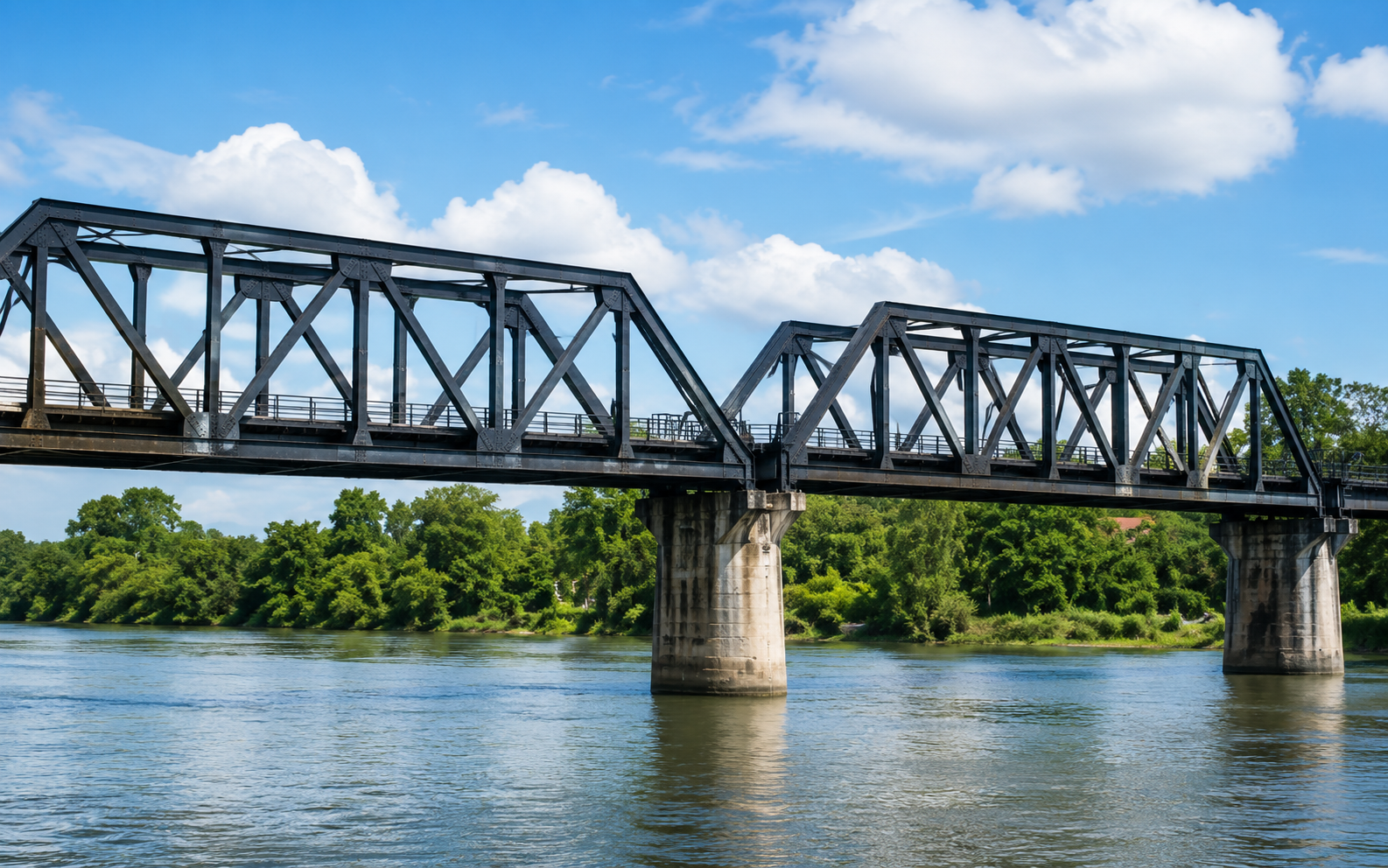
Open web girders are used for track bridges over large rivers and valleys. Standard lengths of open web girders in railways are 30.5, 45.7, 61.0 and 76.2 meters. Depending on width requirements, single and multiple cell girders are selected.

Features

  • icon High torsional stiffness and strength, enabling the use of box girders in horizontally curved bridges and interchanges
  • icon Greater aerodynamic stability
  • icon Reduced susceptibility to lateral buckling of flanges in lateral-torsional and distortional buckling modes
  • icon Fewer support points required compared to conventional systems
  • icon Improved durability
  • icon Reduced maintenance of protective coatings since the exposed surface is smaller, with fewer edges and no exposed bracing, stiffeners, or horizontal surfaces
  • icon Clean lines of a closed box girder provide a better appearance for footbridges, where visual impact counts
Bowstring Girders Bridge

Bowstring Girders Bridge

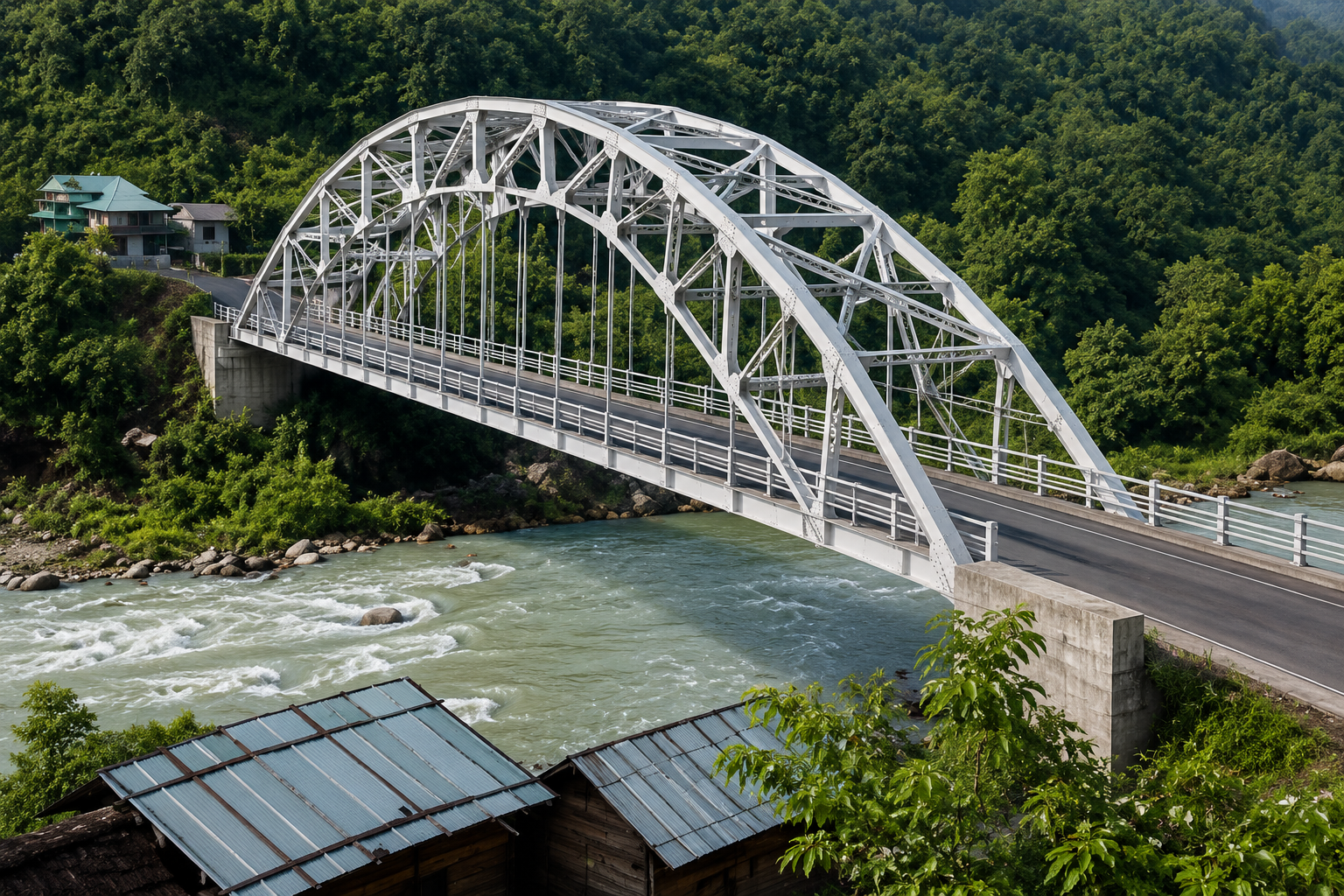
A bowstring bridge is an arch bridge in which the outward-directed horizontal forces of the arch are borne as tension by a chord tying the arch ends, rather than by the ground or the bridge foundations. This strengthened chord may be the deck structure itself, or consist of separate, deck-independent tie-rods.

  • icon Much like a through-truss bridge, except that the truss can be a higher, deeper segmental curve
  • icon Suitable for 50m – 150m spans
  • icon Attractive
  • icon Can be constructed on less robust foundations, e.g. atop elevated piers / areas of uneven soil
  • icon Can be pre-fabricated offsite and hauled or lifted into place
Steel Channel Sleepers

Steel Channel Sleepers

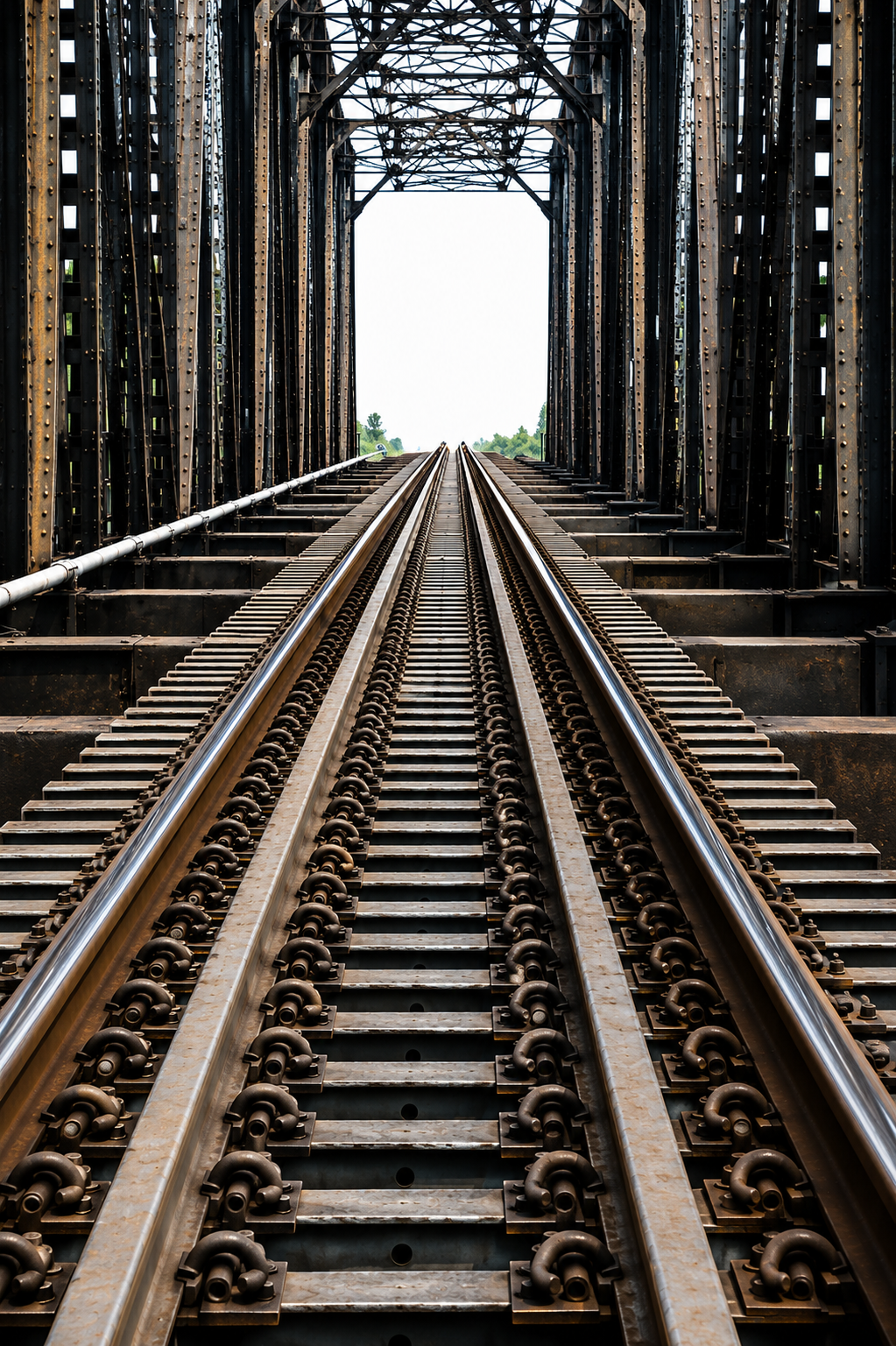
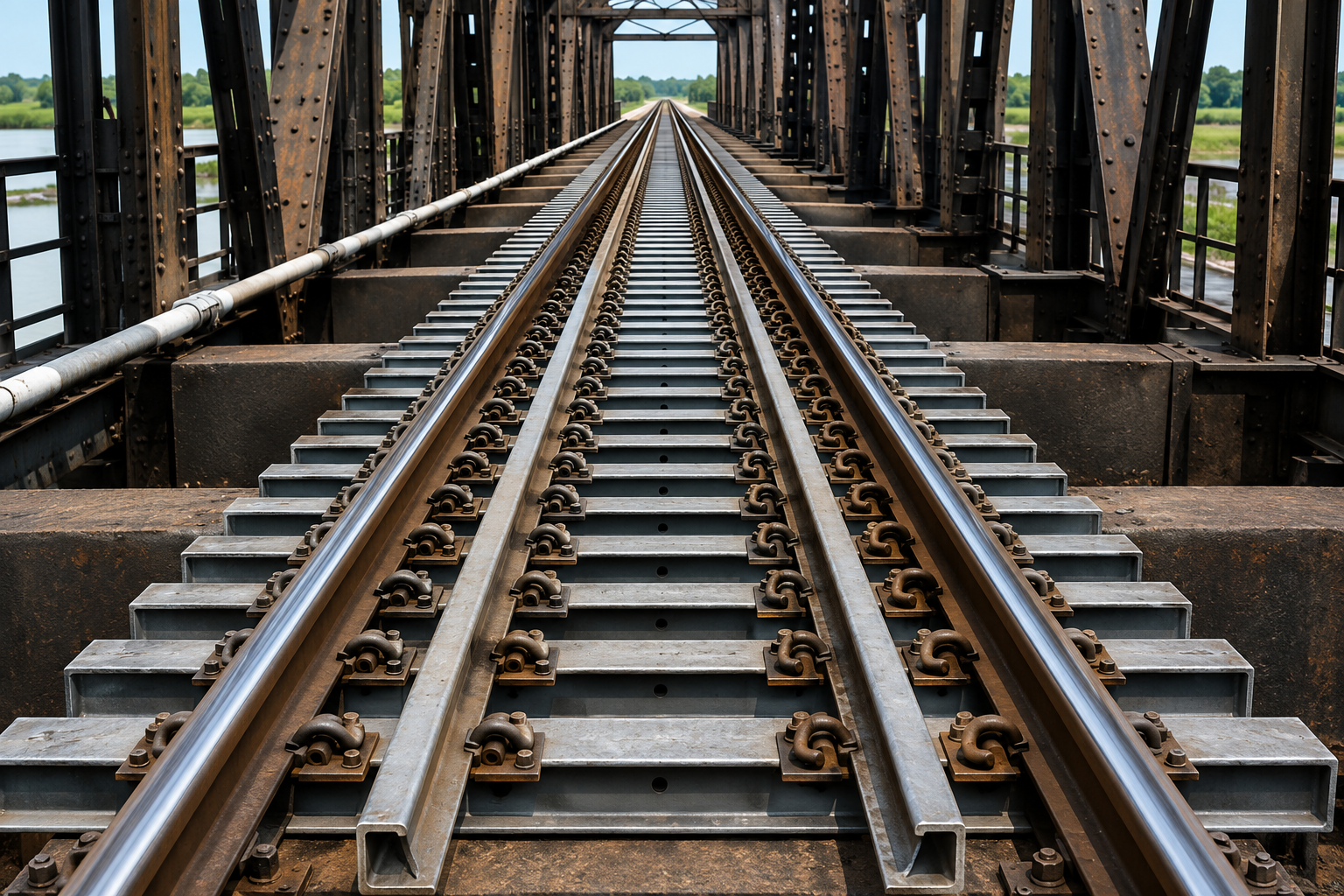
Steel sleepers have enormous advantages, including lower cost, durability and sustainability compared to wooden sleepers, making them an effective technical solution for modern rail networks — fabricated in our state-of-the-art, in-house galvanizing facility for steel channel sleepers.

We fabricate mild steel channel sleepers which are used on tracks that pass through bridges over rivers. These are light in weight and more accurate in dimensions compared to wooden or concrete sleepers.